

As vehicle technology is forever evolving, the demand of performance requirements of braking systems also continue to increase. From regular cars to heavy cargo, today’s vehicles have become progressively dependant on advanced stability control, ESP (electronic stability program) and traction control systems - all of which’s performances are heavily influenced by the quality and effectiveness of the brake fluid used.
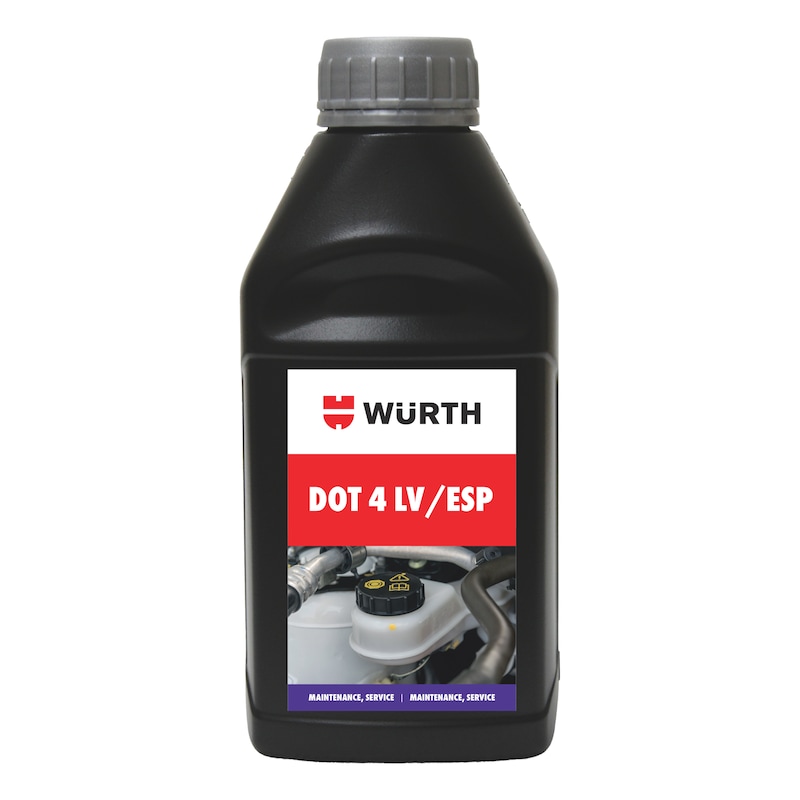
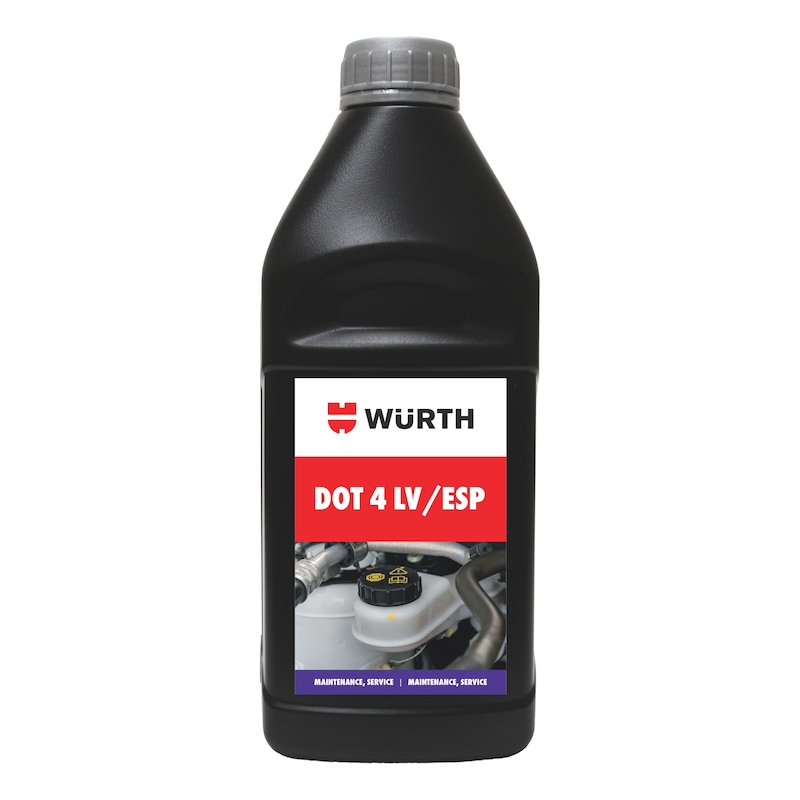
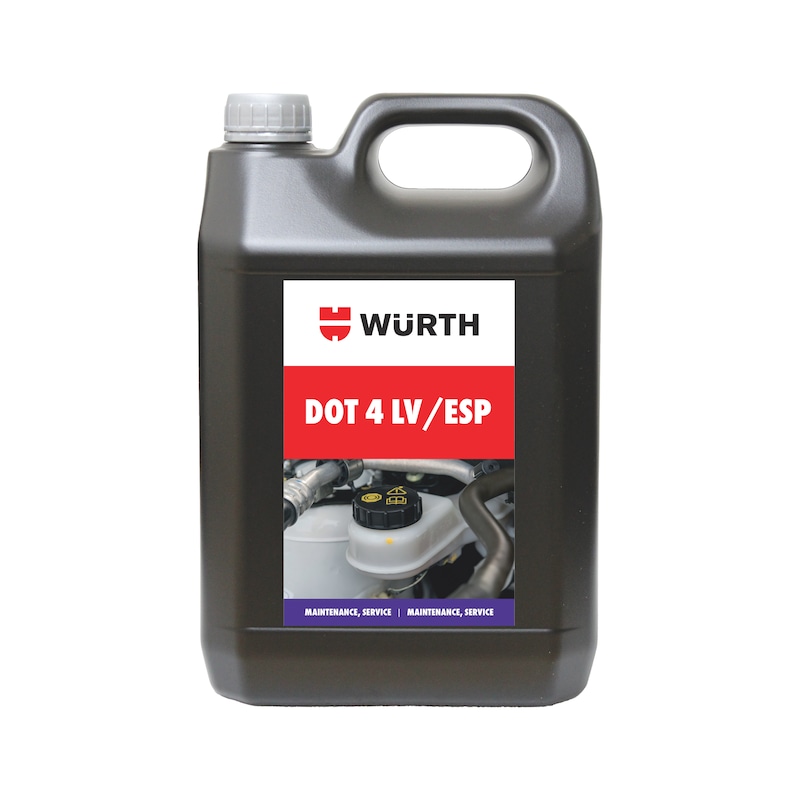
In order to meet the variety of requirements of today’s vehicles, our range includes DOT 4, DOT 4.1, DOT 5.1 and DOT 5.1 EHV formulas, with our advanced LV (low viscosity)/ESP(electronic stability program) brake fluids which have been specifically developed to ensure rapid hydraulic response in vehicles that are equipped with electronic braking systems. Allowing higher pressure modulations with ABS (anti-lock braking system) and ESP (electronic stability program) units, the low viscosity formulation supports optimum system reaction times with both conventional and electrified platforms. By ensuring compatibility systems incorporate pneumatic brakes upholds suitability across any heavy-duty applications.
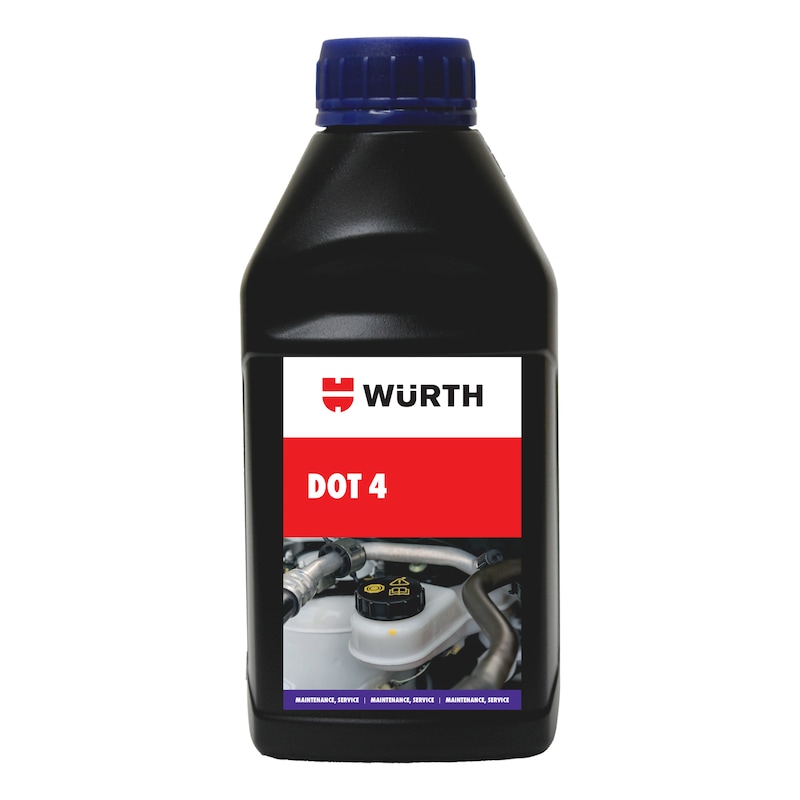
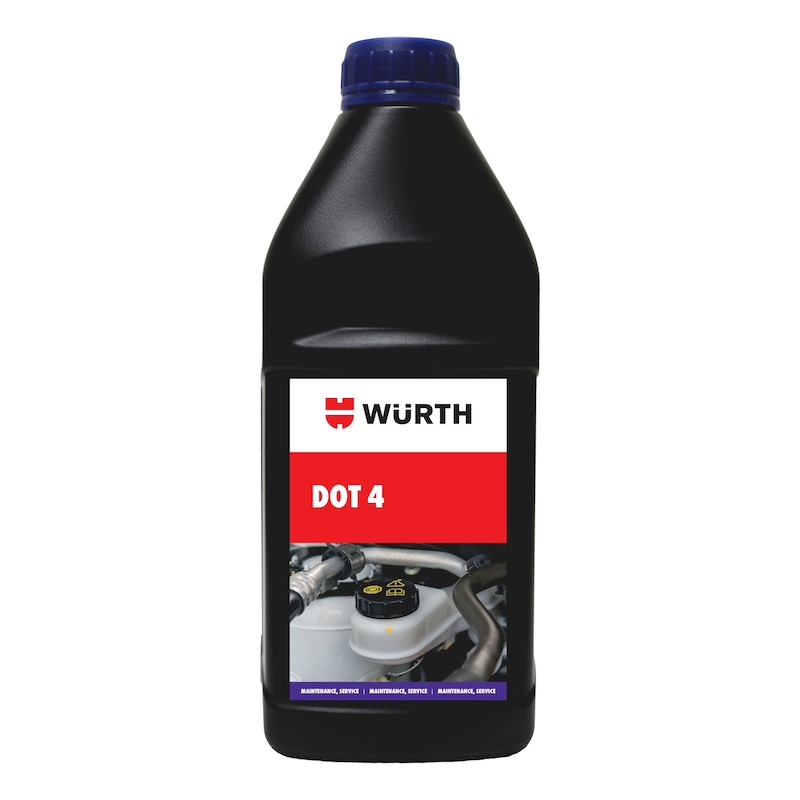
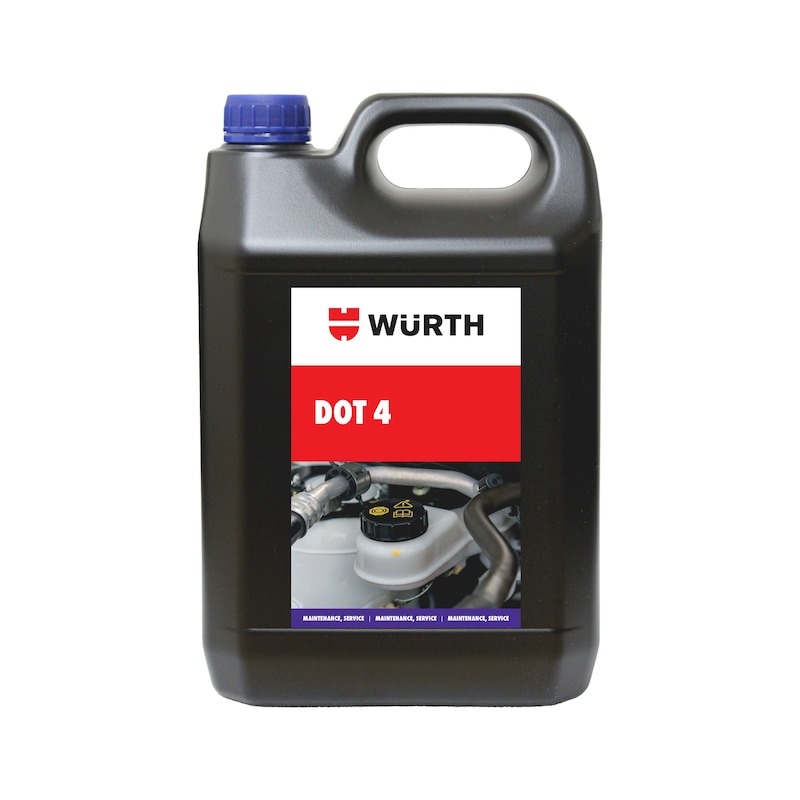
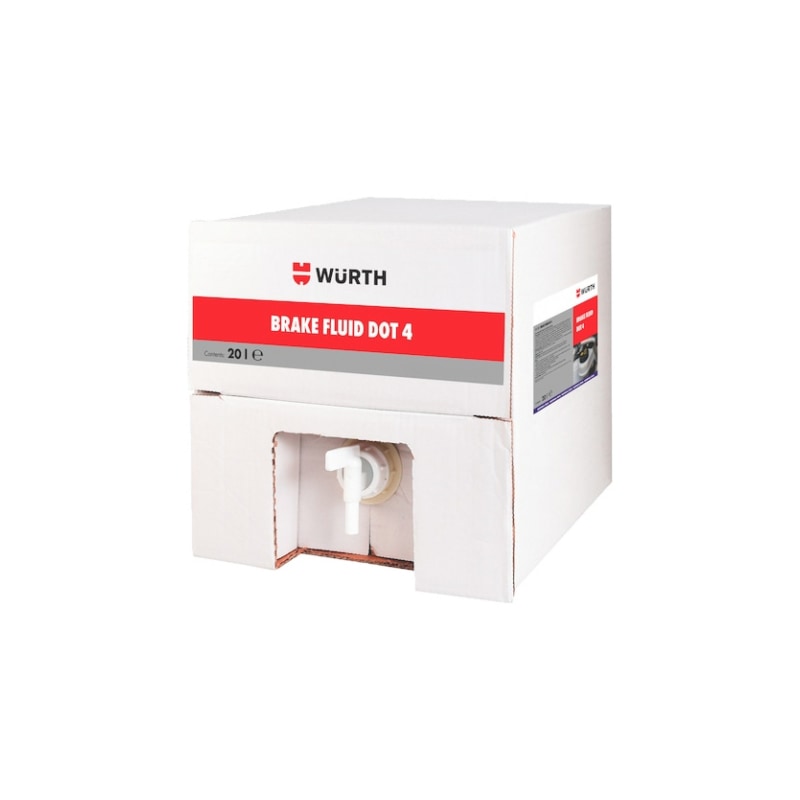
DOT 4
Formulated with a composition of glycol ethers and borate ester, our DOT 4 brake fluid enhances performance under extreme temperatures and pressures. This advanced formulation delivers a minimum dry boiling point of 230 degrees, and a wet boiling point of 155 degrees, making it highly more effective when preventing brake fade with heavy use. DOT 4 also has quick moisture absorption properties, which overtime can lower boiling point, meaning it will require frequent changes, usually every 20,000 to 30,000 miles to ensure optimal braking performance.
There are many performance benefits of DOT 4 brake fluid, such as improved performance as the higher boiling point is what helps maintain braking efficiency, even more so in high-performance or heavy load vehicles. Other benefits include excellent corrosion resistance, protecting brake components and extending the life of the overall braking system, and is even compatible with vehicles equipped with anti-locking braking systems (ABS) and electronic stability programs (ESP).
Amid the expanding growth of the use of PHEV and EHV vehicles alongside the increase of advanced braking electronics, it’s essential you choose the right high performance brake fluid. Our Dot 4 Brake fluid delivers:
- Low viscosity performance for modern electronic systems
- High boiling point protection under thermal loads
- Entire DOT specification coverage
- Most reliable solutions for your workshop needs
DOT 5.1
Unlike DOT 4, our DOT 5.1 formulation delivers enhanced thermal resistance with their differences lying in their boiling points and performance under these temperatures. DOT 5.1 has a higher dry boiling point of around 230 degrees and a wet boiling point of around 155 degrees, therefore can enhance performance even under extreme conditions. It also has a similar formula to the DOT 4 brake fluid, containing both glycol ether and borate ester compounds, which is what enables improved performance and greater stability under demanding conditions.
Designed for demanding braking environments, the non-silicone-based formula ensure compatibility with DOT 4 fluids and safe operation in anti-locking braking systems. Having a strong resistance to moisture contamination, DOT 5.1 assists in maintain consistent braking performances while also supporting extended service life, unlike other brake fluids. Ensuring you choose the correct brake fluid for your vehicle is critical for the performance and safety.
Why boiling point matters?
In today’s high demand braking environments, the brake fluid’s boiling point is fundamental to the reliability and safety of any vehicles hydraulic braking system. Whether under sustained braking, heavy duty operation, high speed deceleration or extreme heat is generated within the systems, in any types of these conditions, it’s essential that the brake fluid maintains its liquid state to ensure consistent and uncompromised hydraulic pressure and overall dependable braking performance.
If the fluid reaches the boiling point threshold within the hydraulic circuit, then vapour pockets can form, and unlike liquid, vapour which is compressible, resulting in increased pedal travel, inconsistent pressure transfer and potential brake fade. Modern braking systems, especially ones that incorporate ABS and ESP control units, expose brake fluid to rapid pressure fluctuations and elevated operating temperatures. Requiring a formulation that preserves
Understanding your coolant boiling point is critical, if not you are at a higher risk of causing major damage to your engine. The boiling point of coolants in your vehicle is essential for a number of reasons, such as:
- Greater engine protection, as higher boiling points allow the coolant to be absorb more heat without the need for vaporising making it essential to maintain optimal operating temperatures
- Increases systems efficiency, as the coolant with elevated boiling points can better improve the efficiency of heat exchange systems therefore leads to improved performance
- Can prevent cavitation, so in the case a coolant boils within the system, creating vapour pockets which will lead to cavitation, will prevent this issue which otherwise has the risk of potentially damaging components within the system
Coolant boiling point is also critical for engine protection. Higher boiling points allow coolant to absorb more heat without vaporising, helping maintain optimal operating temperatures, improving heat exchange efficiency and preventing cavitation that can cause damage system components.
Why viscosity matters?
Viscosity is fundamental to your vehicle as this is what ensures the right amount of engine lubrication across a variety of temperatures and directly affects how quick and efficiently the brake fluid transmits hydraulic pressure throughout the braking system - which directly impact your fuels efficiency, cold start performance and engine lifespan. By using the correct viscosity, it ensures your engine is protected during hot and cold temperatures, this allows quicker circulation in colder and wet environments, reduces metal on metal wear and improves MPG (miles per gallon). With incorrect use of viscosity, it can lead to lower fuel efficiency or even accelerated engine damage, as if it’s too thick this will increase engine drag and become more difficult to start your engine in colder environments. If it’s too thick, then this will lead to excessive wear and increase the oil consumption, with the potential loss of oil pressure.
In summary, correct viscosity ensure:
- Fast and accurate pressure transfer
- Reliable ABS (anti-locking braking system and ESP (electronic stability programs)
- Consistant pedal response
- Stable performance in both cold and high heat conditions
This is why many modern vehicles specify LV (low viscosity) brake fluids, to ensure optimal performance under dynamic braking conditions can be reached.
1. What characterizes a good brake fluid? (chemical composition, properties)
Good wet and dry boiling point. Good lubricity / preservation of the components. Good Shelf life.
2. What are the requirements for a modern brake fluid?
Fluids are sold to international specifications. But as a general rule low viscosity, good performance at high and low temperatures, low compressibility. Compatibility of all components in braking system. Compatibility with other brake fluids
3. What is the importance of a good quality brake fluid? In other words: what can happen if the quality is insufficient?
If the fluid does not meet the required specification, braking performance can drop under load and increase the risk of vapour lock. Insufficient lubricity can cause premature wear of ABS pumps and seals. Poor corrosion protection can lead to internal corrosion of braking system components.
4. Are brake fluids found in sustainable products? And certainly not?
There has not been made anything of this. But actually, brake fluid chemicals are generally considered biodegradable. This would however need to be certified. Brake fluids can also be made from renewable resources.
5. Do brake fluids aaffect vehicle emissions? If so, in what way?
No.
6. Do hybrid and electric vehicles need different brake fluid specs than petrol or diesel?
Generally, no. But we are seeing a trend that vehicle manufacturers have a desire for fluids with enhanced preservative properties as the brake system do not operate as frequently due to regenerative braking.
7. What trends can be identified in the field of brake fluids?
The trend is toward lower-viscosity, higher-performance brake fluids with longer service life and higher value. DOT 3 now has very limited relevance in most markets. Improved formulations reduce water and air ingress, supported by tighter laws and regulations.
8. Are brake fluid mistakes common in garages, and how can they be avoided?
The main issue in garages is contamination with lubricating oils. They must never use the same containers, dispensers to top up the reservoirs.
9. Are there any other important or interesting brake fluid points worth mentioning that haven't been covered yet?
Main points are above. But the major driver in OEM and industry presently is lubricity. There are a lot of aftermarket products that do not meet requirements of lubricity. These will be disclosed when tribological analysis enters the brake fluid standards.
The Adolf Würth GmbH & Co. KG collects and processes the personal data provided in the form in order to process the requested request for you. Please note the mandatory fields in the forms. The legal basis for this processing, the absolutely necessary data, is Art. 6 para. 1 lit. b GDPR, implementation of a pre-contractual measure. The processing of data voluntarily provided by you is carried out on the basis of Art. 6 para. 1 lit. f GDPR. Thereafter, processing is permissible which is necessary to safeguard our legitimate interests. Our legitimate interest is to have contact with you, our customers, to improve our consulting quality and to be able to contact you more easily in case of possible queries. The data collected will only be stored by us for as long as is necessary to process your enquiry and to contact you. They are then deleted.
Supplementary data protection information, in particular regarding your rights to information, correction, deletion, restriction of processing, objection and complaint, can be found in our data protection declaration.